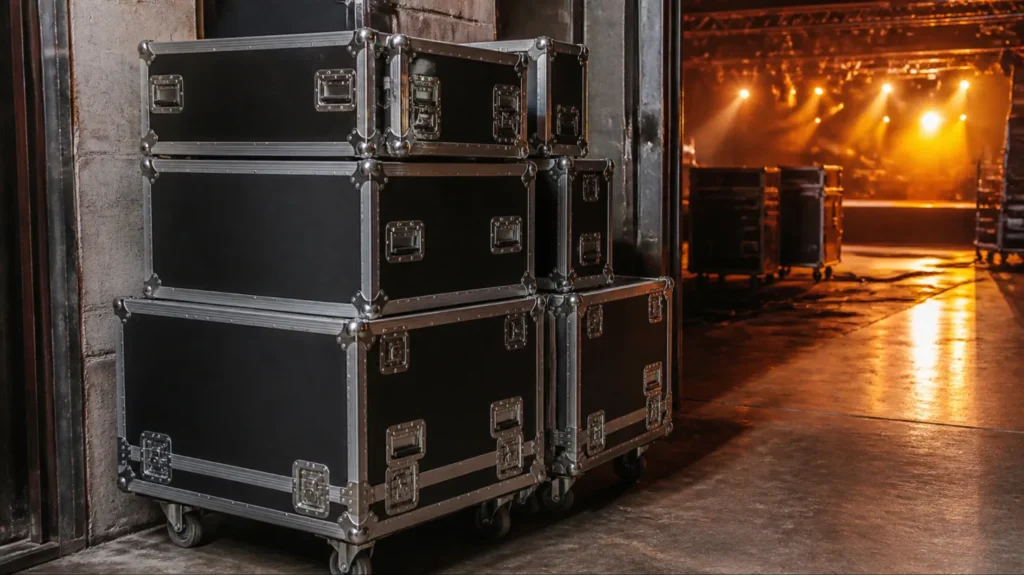
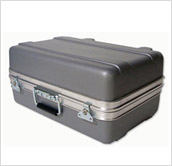
A road case and a flight case are, in most cases, the same thing: a rugged plywood-and-aluminum box built to ATA Spec 300 standards to protect gear that travels constantly. “Road case” is the common term in U.S. touring and live production; “flight case” is more common in Europe and in aviation. What actually matters is not the name but the panel thickness, the hardware and the interior, because those decide whether your equipment survives a season on the road.
Road Case and Flight Case: Same Idea, Different Names
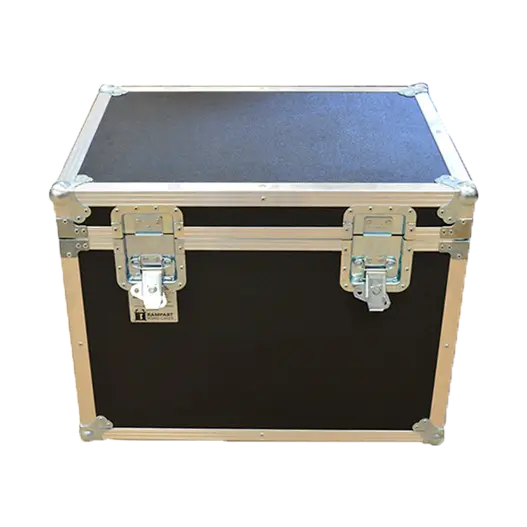
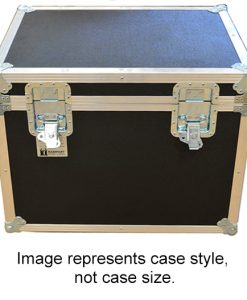
Both terms describe a fabricated case: laminated plywood panels joined with aluminum extrusions, steel ball corners, recessed twist latches and spring-loaded handles, usually with casters on larger sizes. The name “flight case” comes from the Air Transport Association (ATA), whose Spec 300 standard set the bar for cases shipped as airline cargo. Bands and production companies later took the same build onto trucks and started calling them road cases.
So when a buyer compares a “road case vs. flight case,” the real comparison is between build grades. Two cases with different names can be identical; two cases with the same name can be very different in protection.
What ATA Spec 300 Category I means
ATA Spec 300 groups cases by how many trips they are designed to survive. Category I cases are built for at least 100 round trips, Category II for at least 10, and Category III for a single trip. Professional touring cases should be Category I. You can read more about airline rules in our guide to ATA specifications and airline compliance.
Panel thickness: 1/4″, 3/8″ or 1/2″
1/4″ panels
Lightest option. Good for smaller gear, fly dates and items that ride inside a truck, not on top of a stack.
3/8″ panels
The touring standard. Best balance of weight and impact strength for amps, lighting, consoles and screens.
1/2″ panels
Maximum strength for heavy loads, bottom-of-stack trunks and gear that ships freight between venues.
Shop ATA road cases by panel grade
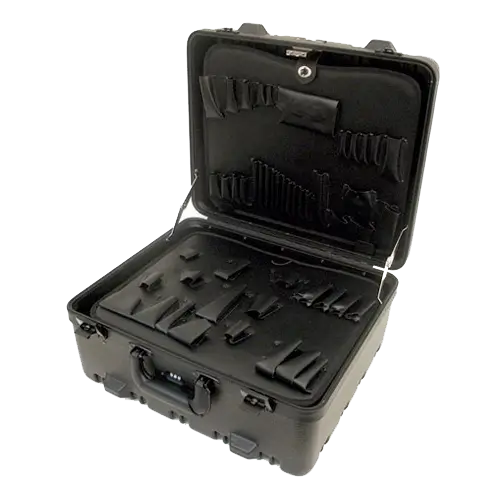
AllCases builds fabricated road cases to ATA Spec 300 in all three thicknesses, with custom foam cut to your equipment. Here are popular stock sizes:
Browse every size in our ATA road cases collection, or start a custom Rampart road case built to your exact gear list.
How to Choose the Right Touring Case
1. Start with the gear, not the case
Measure the equipment, including knobs, handles and cables that stay attached. Add space for foam on every side (typically 1 to 2 inches). If you are matching an existing case size, use our Case Finder to search by interior dimensions.
2. Match the case style to how it is used
3. Don’t skip the interior
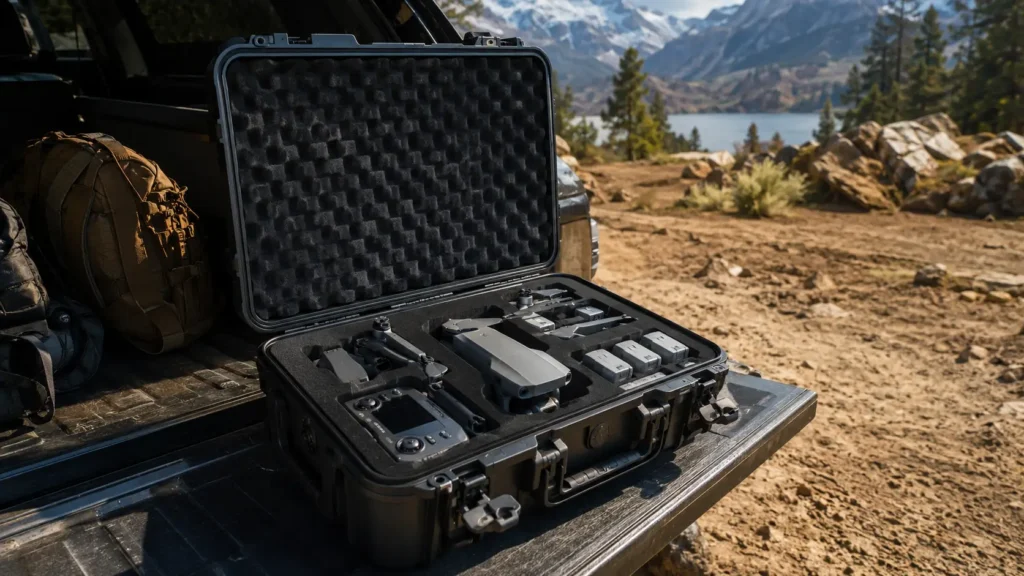
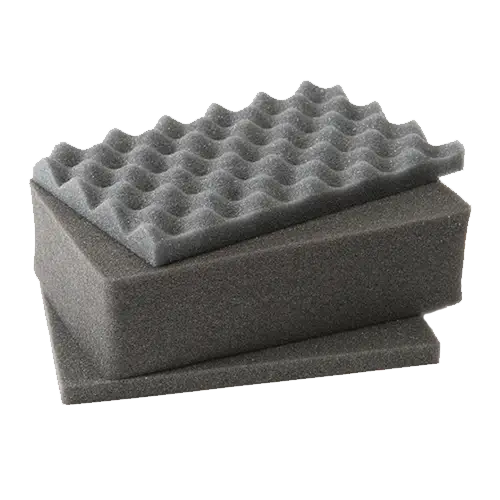
The shell stops impact; the foam stops vibration. Polyethylene and cross-link foam hold up far better than open-cell foam over hundreds of load-ins. Our guide to foam types explains the trade-offs.
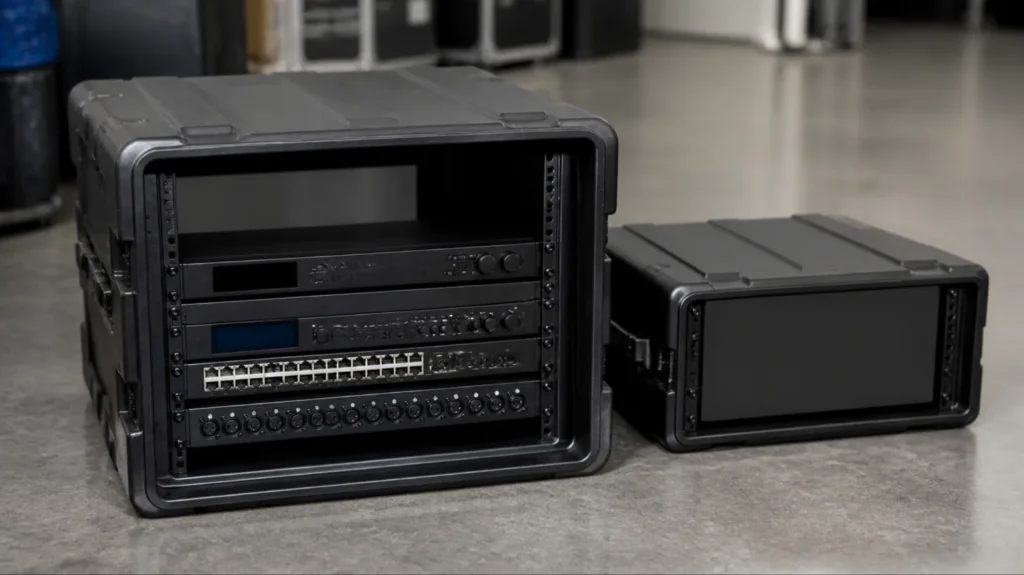
4. Consider a molded alternative
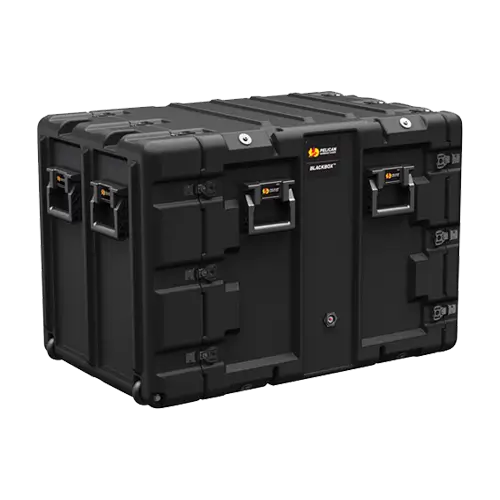
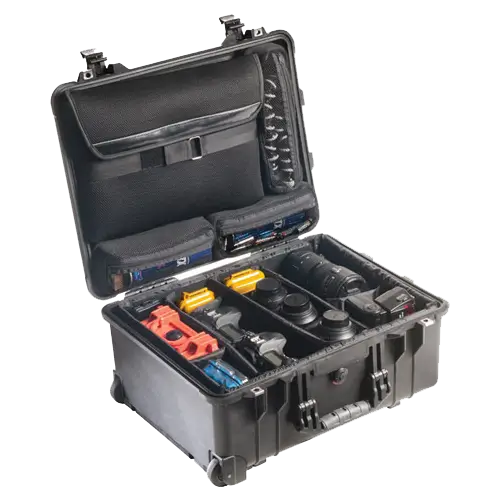
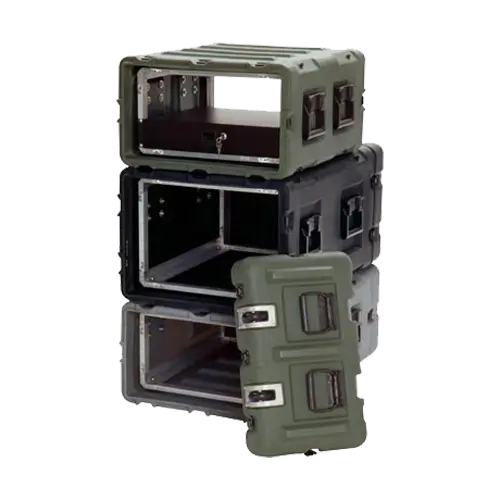
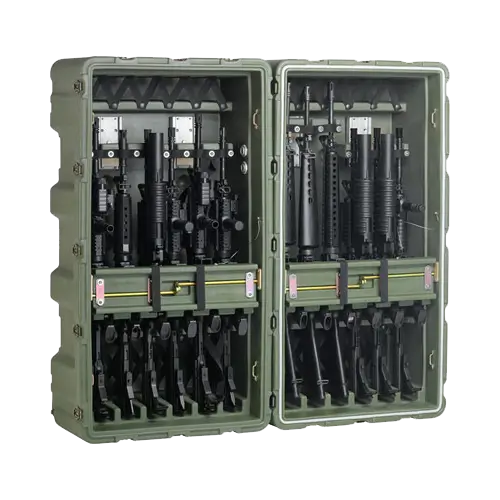
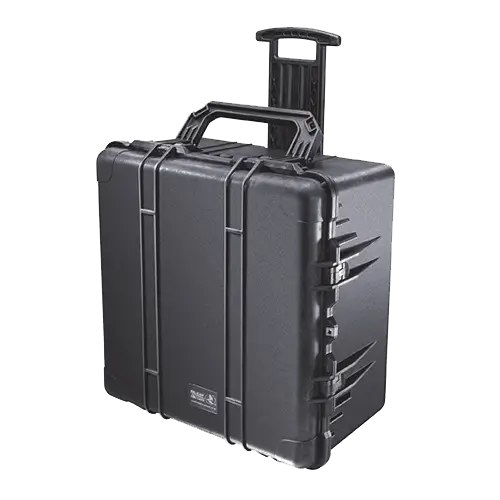
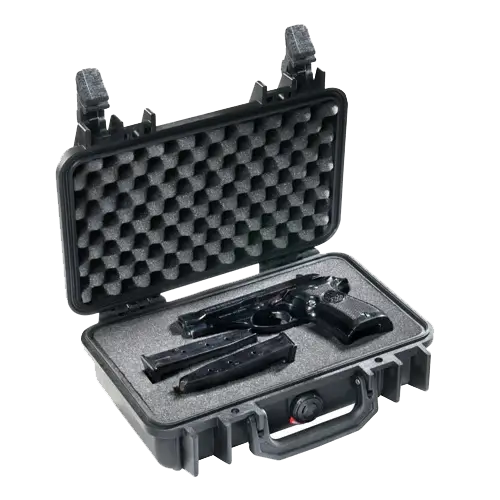
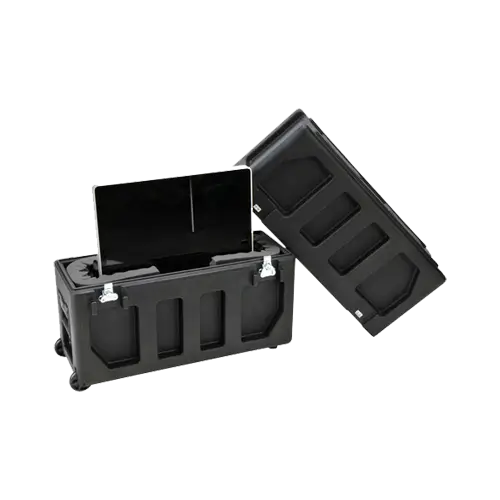
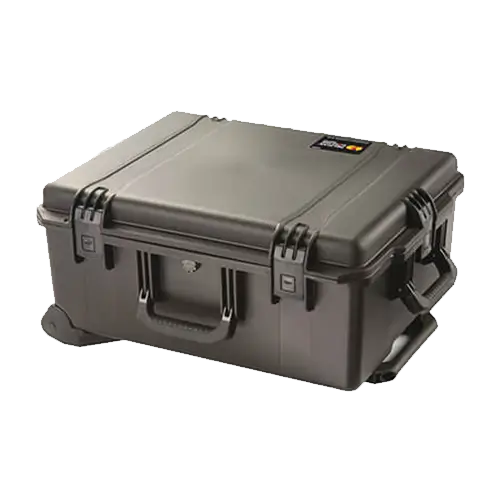
If gear flies more than it drives, a rotomolded or injection-molded case can be lighter and fully waterproof. SKB cases and Pelican cases are common choices for audio and video gear that travels as checked baggage.
Quick rule
Trucked and stacked every night? Go 3/8″ or 1/2″ fabricated. Flown as baggage? Look at molded cases first.
Frequently Asked Questions
Is a flight case the same as a road case?
Usually yes. Both describe fabricated plywood-and-aluminum cases built to ATA Spec 300. The difference is regional naming, not construction.
What does ATA mean on a road case?
ATA refers to the Air Transport Association Spec 300 standard for reusable shipping containers. Category I cases are designed for at least 100 trips.
What thickness road case do I need?
3/8″ is the touring standard for most gear. Choose 1/4″ for light items and 1/2″ for heavy equipment or cases at the bottom of a stack.
Can I get a road case built to fit my equipment?
Yes. AllCases builds custom Rampart road cases with foam cut to your exact gear, including logos, dividers and casters.
Get a road case built for your tour.
AllCases builds ATA-rated road cases and custom foam interiors for touring, production and event companies nationwide from our facility in Oldsmar, FL. Shop in-stock road cases or request a custom quote.