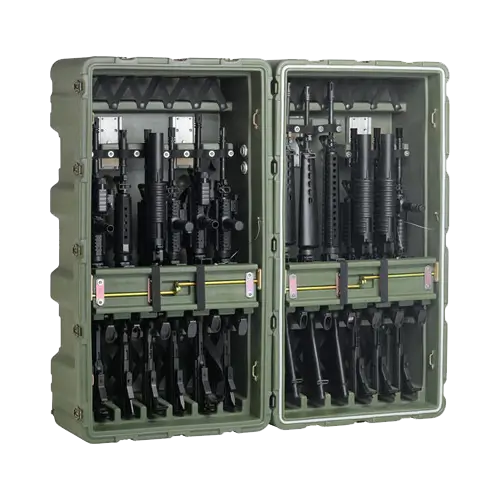
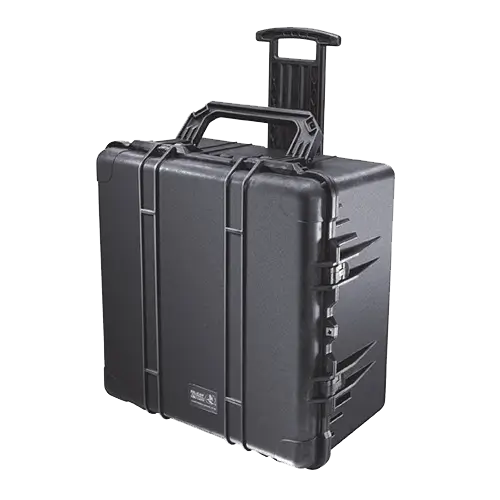
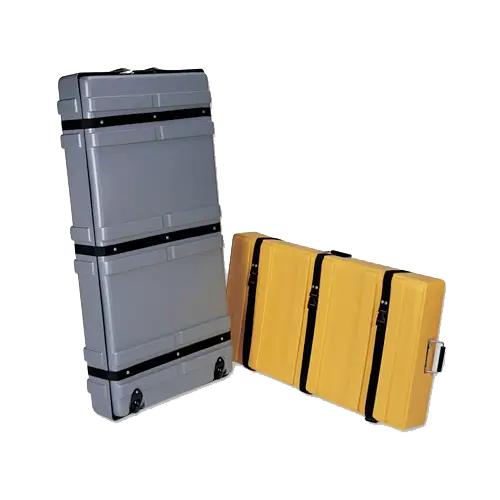
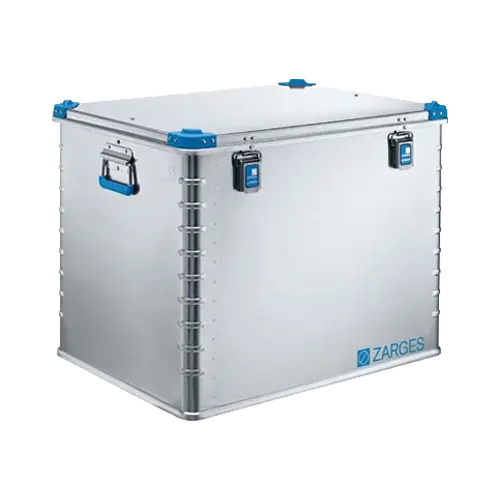
MIL-STD-810 is a US military standard that defines environmental test methods, not a pass/fail seal you either have or don’t. It lays out how to test equipment against real-world stresses, drop, shock, vibration, temperature extremes, humidity, altitude, sand and dust, so a manufacturer’s “MIL-STD-810 tested” claim is only as meaningful as the specific test methods it actually passed.
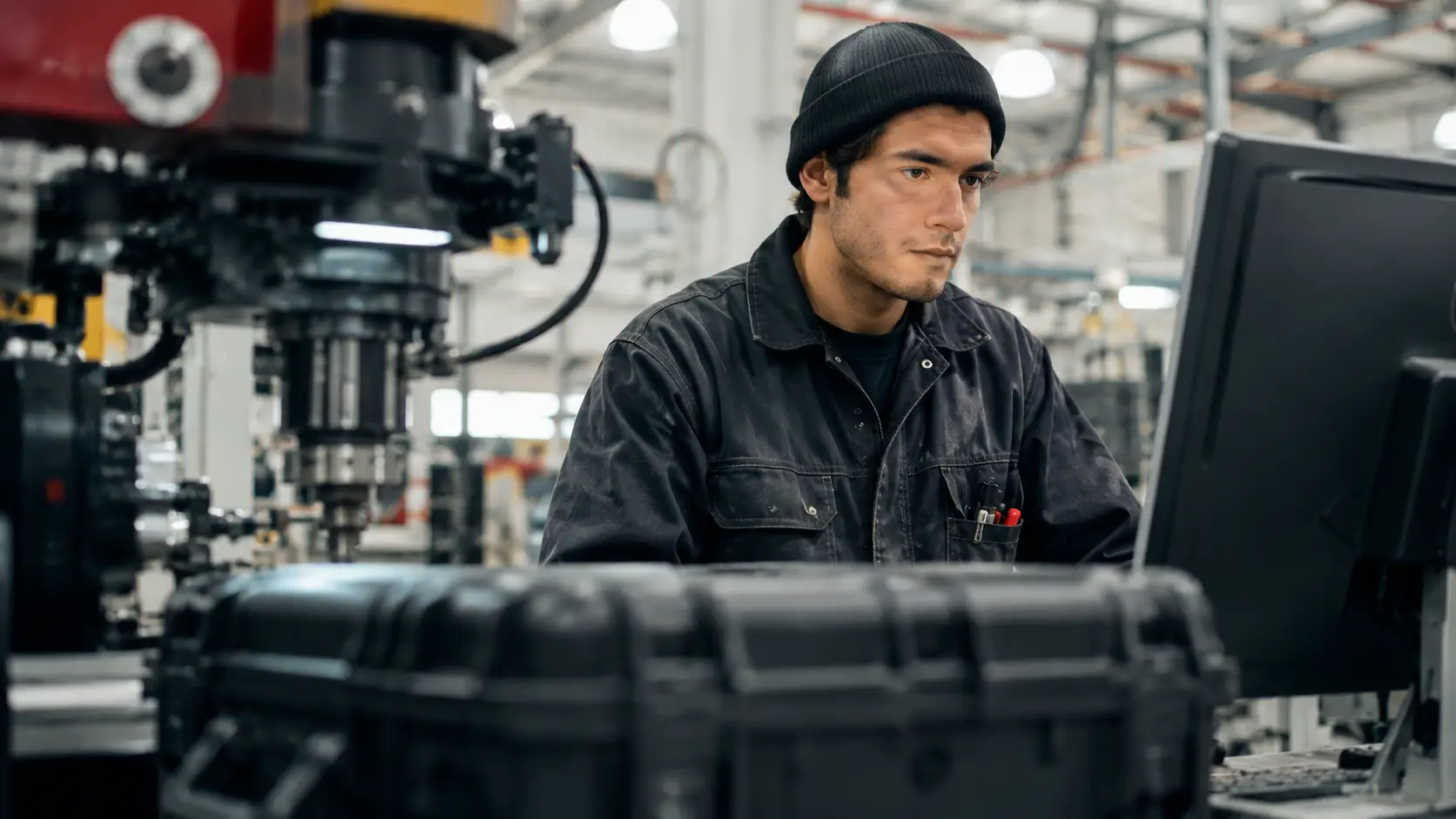
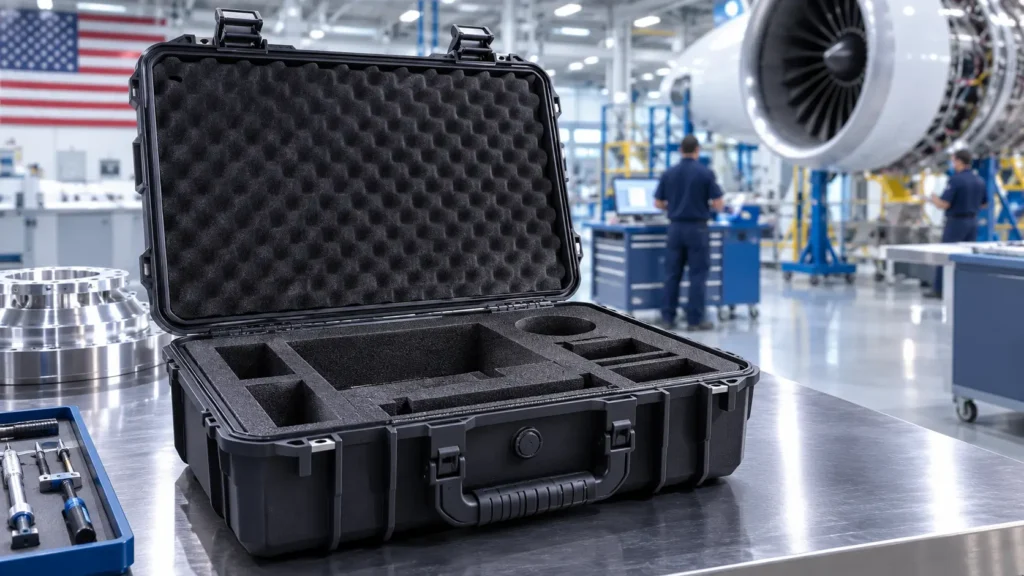
A manufacturing technician monitors production equipment while a rugged protective case sits in the foreground of a modern factory.
Why “military grade” doesn’t tell you much on its own
“Military grade” is a marketing phrase with no fixed technical meaning. MIL-STD-810 is the real standard behind legitimate claims, but the standard contains dozens of individual test methods (drop, vibration, low pressure/altitude, humidity, blowing sand, and more), and a product can legitimately claim MIL-STD-810 testing after passing just one or two of them. A specific test method and result number is a stronger claim than the phrase “military grade” alone.
What the standard actually tests
Mechanical shock and drop
Repeated drops from specified heights onto different faces/corners.
Vibration
Sustained vibration simulating vehicle or aircraft transport.
Temperature
Operation and storage across extreme high and low temperature ranges.
Humidity
Extended exposure to high humidity without degradation.
Altitude / low pressure
Simulating unpressurized cargo holds or high-altitude transport.
Sand and dust
Ingress resistance in harsh field environments.
MIL-STD-810 vs. IP ratings
They test different things and often show up together on the same case. IP ratings (like IP67 or IP68) specifically measure ingress protection, dust and water intrusion, under a defined test. MIL-STD-810 covers a much broader set of physical and environmental stresses, including drop and vibration, that IP ratings don’t address at all. A well-built military-grade protective case will often reference both.
Rotomolding and why it matters for MIL-STD-810 durability
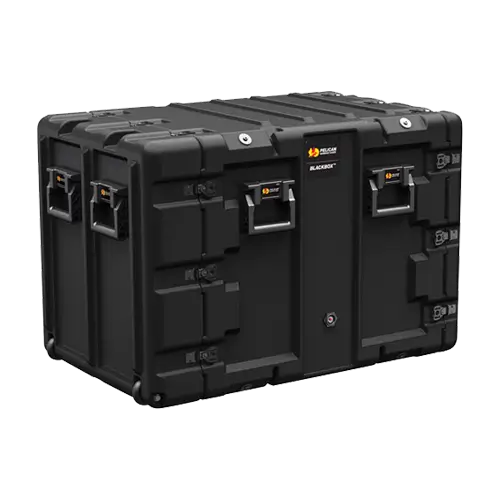
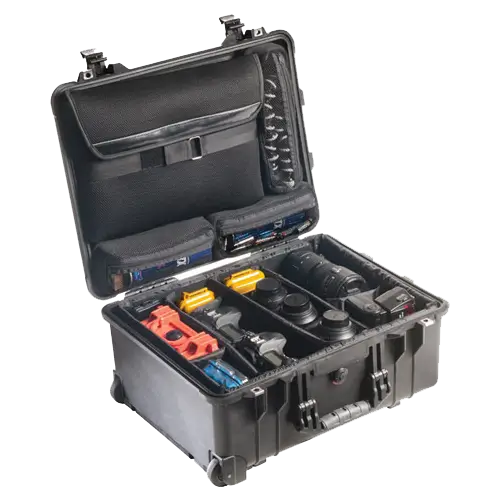
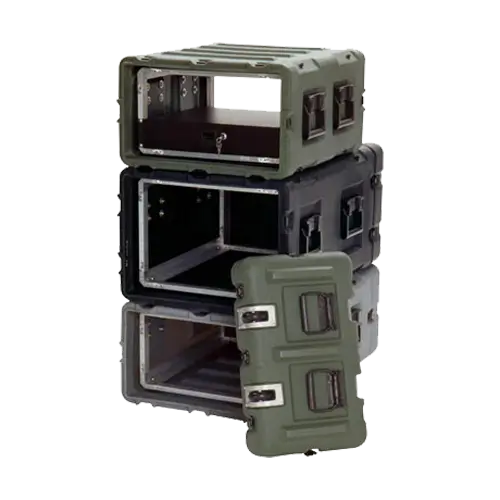
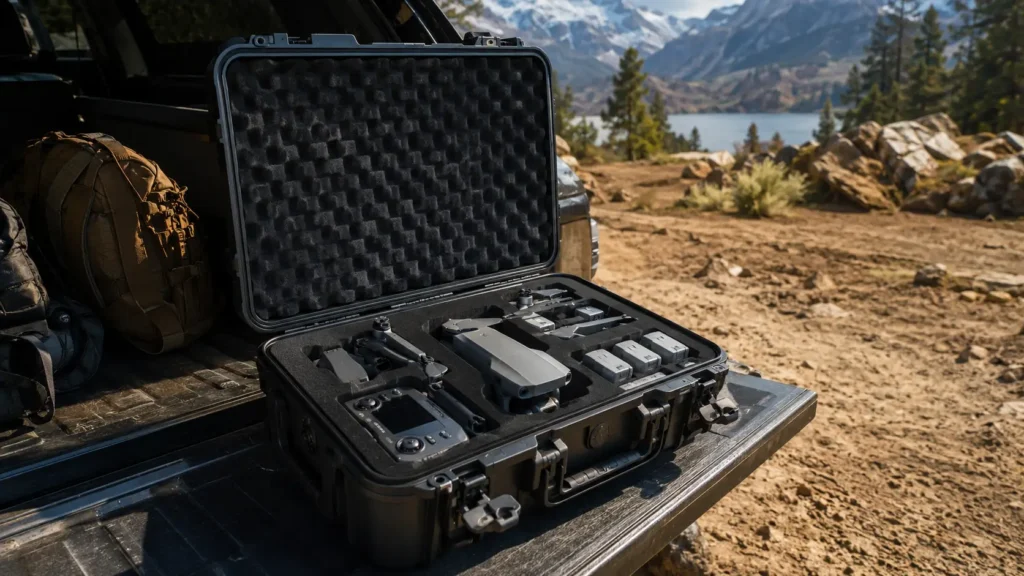
Rotational molding (rotomolding) produces a case shell as a single, seamless piece of polyethylene with no weak seams or joints, which is a major reason rotomolded cases hold up to the drop and impact tests inside MIL-STD-810 better than cases built from bonded or riveted panels. Pairing a rotomolded shell with custom-cut foam protects the contents as well as the shell protects the case itself.
What to Ask a Manufacturer
Ask which specific MIL-STD-810 test methods and version (810G vs. 810H) the case was actually tested against, and whether third-party lab results are available. A vendor that can cite the exact method number is giving you a verifiable spec; one that only says “military grade” is giving you marketing copy. For government and defense programs, also confirm the supplier’s AS9100D and ITAR certifications.
Frequently Asked Questions
What is the MIL-STD-810 rating?
It’s not a single rating, it’s a US military standard containing many individual environmental test methods (shock, vibration, temperature, humidity, altitude, dust). A product’s “MIL-STD-810 rating” refers to which specific methods it was tested against and passed.
Does military grade mean high quality?
Not automatically. “Military grade” is an unregulated marketing term. Look for a specific MIL-STD-810 test method and version instead of the phrase alone.
What’s the difference between MIL-STD-810G and 810H?
810H is the current, updated version of the standard, refining test methods and procedures from the earlier 810G. Both are legitimate, but 810H reflects the more current testing methodology.
How is MIL-STD-810 different from an IP68 rating?
IP68 specifically measures dust and water ingress protection. MIL-STD-810 covers a much wider range of stresses, drop, shock, vibration, altitude, temperature, that go beyond sealing against dust and water.
Your growth is the mission.
AllCases designs, cuts, and installs custom foam inserts and protective cases for defense, government, aerospace, and industrial customers nationwide from our ITAR-compliant, AS9100D and ISO 9001:2015 certified facility in Oldsmar, FL. If you need a rotomolded, MIL-STD-810 tested case built to withstand real field conditions, visit our homepage or request a quote and an engineer will follow up the same business day.