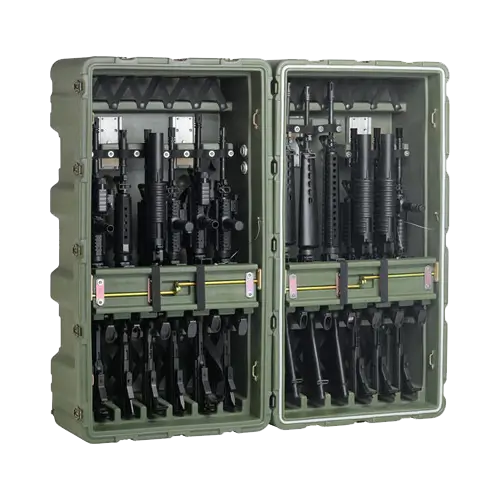
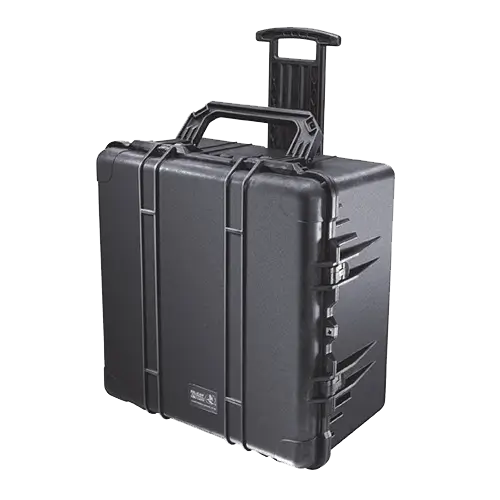
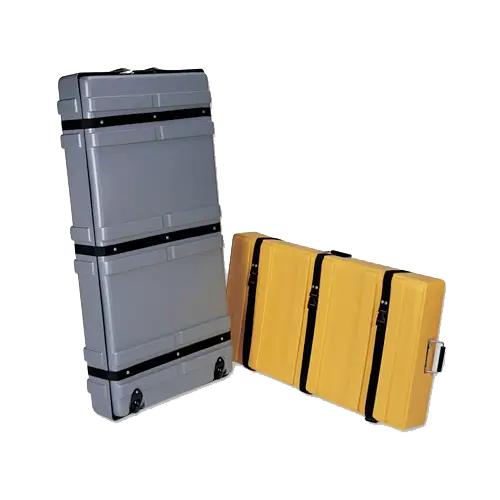
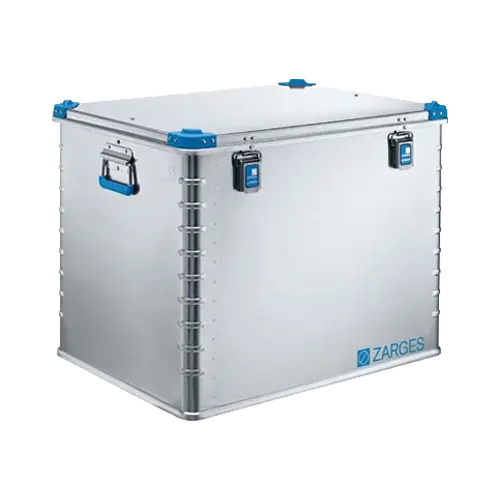
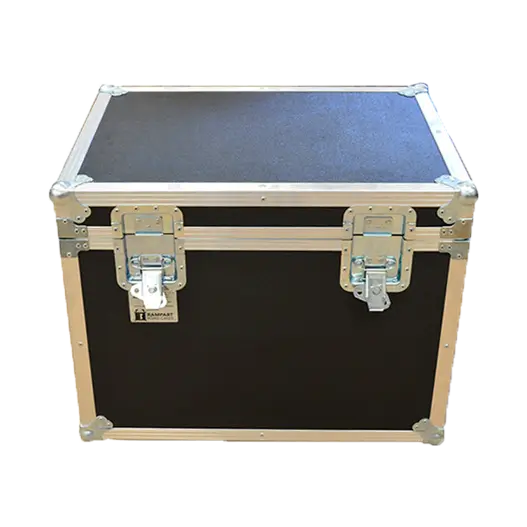
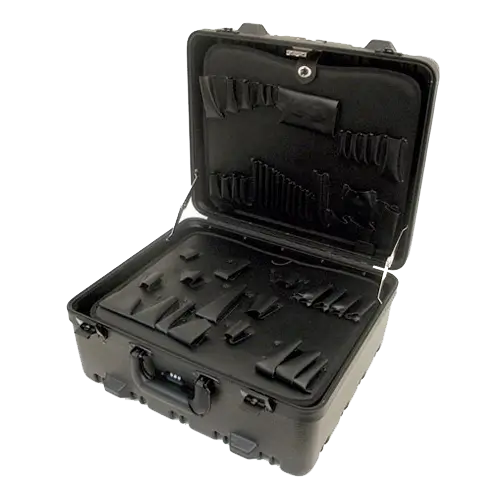
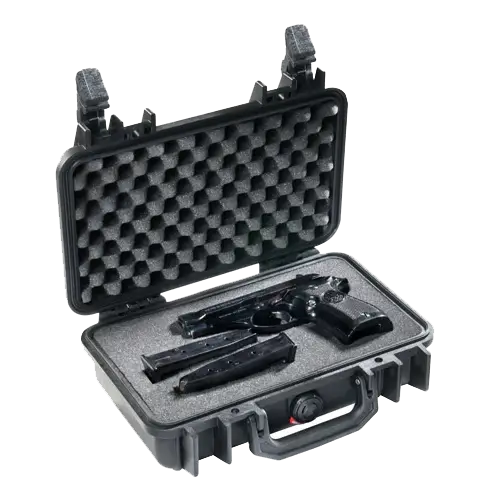
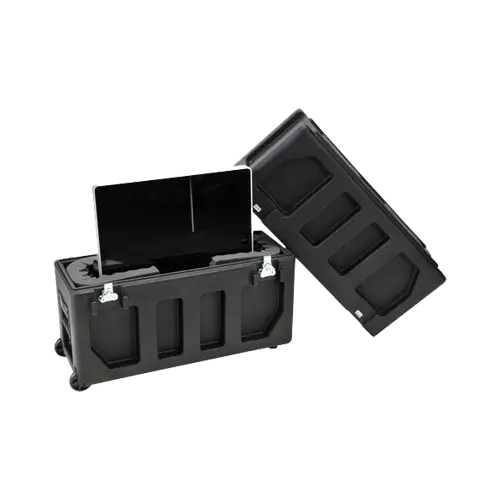
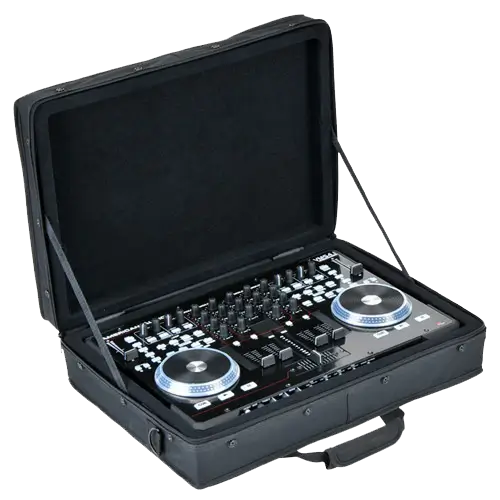
A hard gun case protects a firearm with a rigid outer shell, plastic, resin, or aluminum, instead of padded fabric. If you’re flying with a firearm, storing one long-term, or need real crush and impact protection, a hard case is the right call over a soft case in almost every situation. This guide covers what actually matters when you compare gun cases: shell material, foam, latches, and certifications.
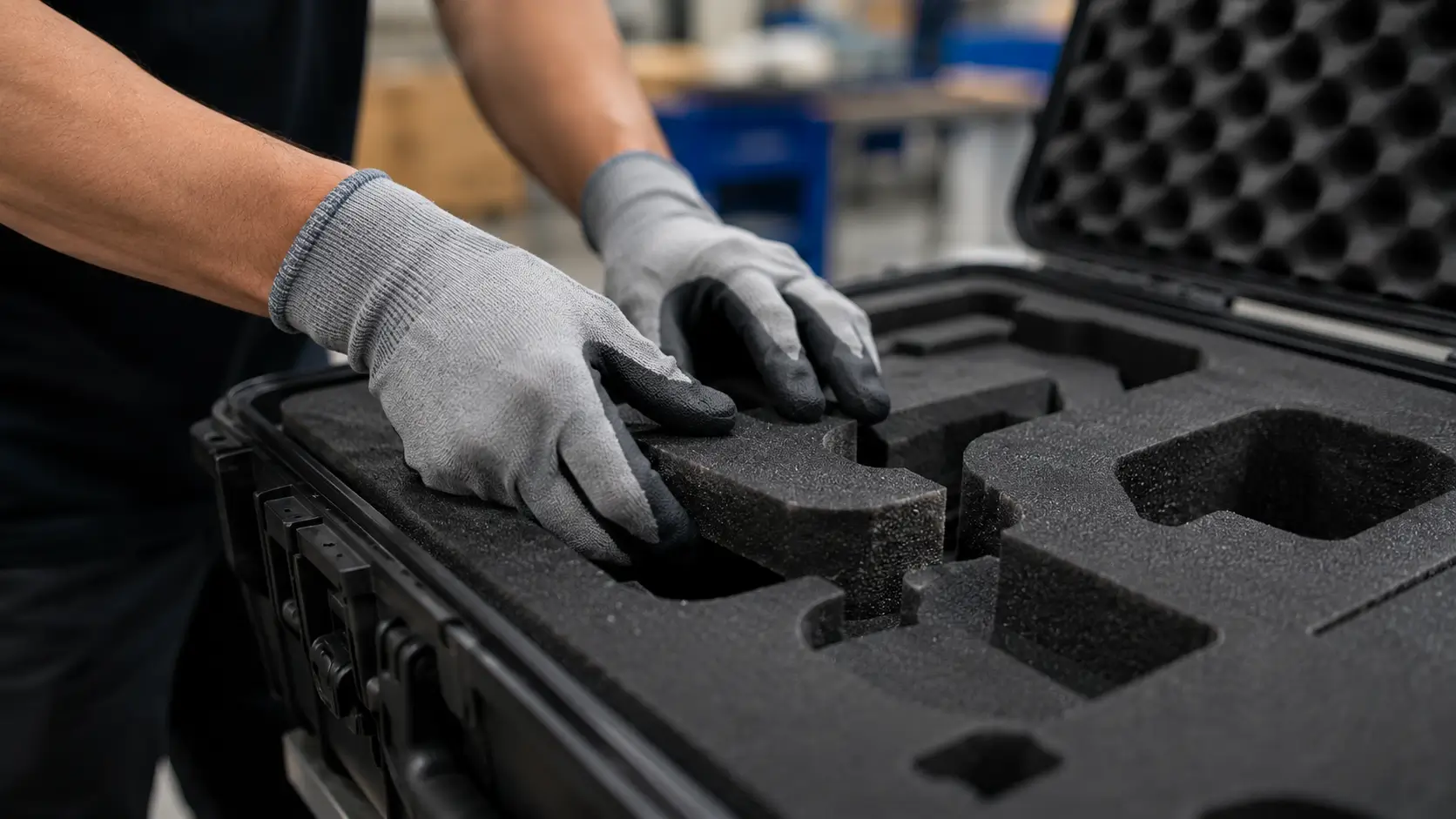
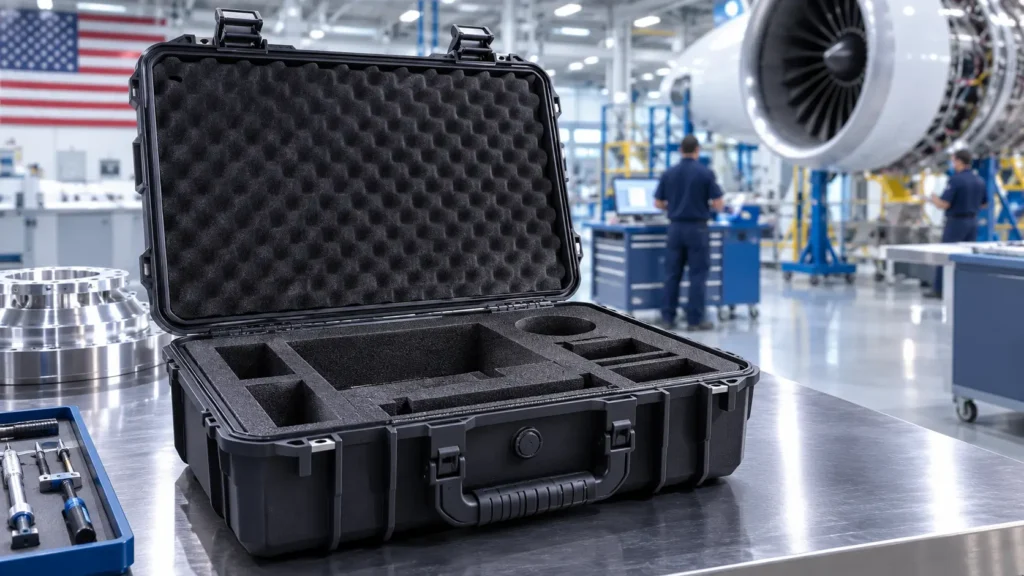
Manufacturing technician fitting a custom-cut foam insert into a rugged protective case for maximum equipment protection.
Hard case vs. soft case: when it matters
Soft cases are lighter and easier to carry to the range. Hard cases win when the firearm needs to survive being checked as luggage, thrown in a truck bed, dropped, or stored somewhere humid or dusty for months. Airlines and TSA effectively require a hard-sided, lockable case for any firearm in checked baggage, which is the single biggest reason most owners eventually buy one.
What to check before you buy
Shell rating
Look for a case rated to survive drop, crush, and submersion testing (often described against MIL-STD-810 or IP67/IP68). A rating means the case was actually tested, not just marketed as “rugged.”
Foam type and fit
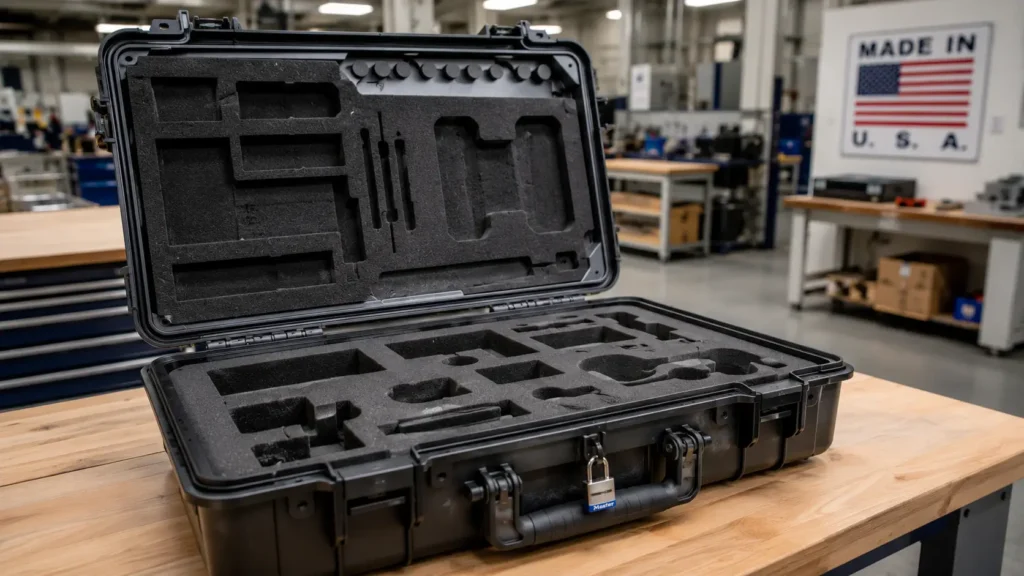
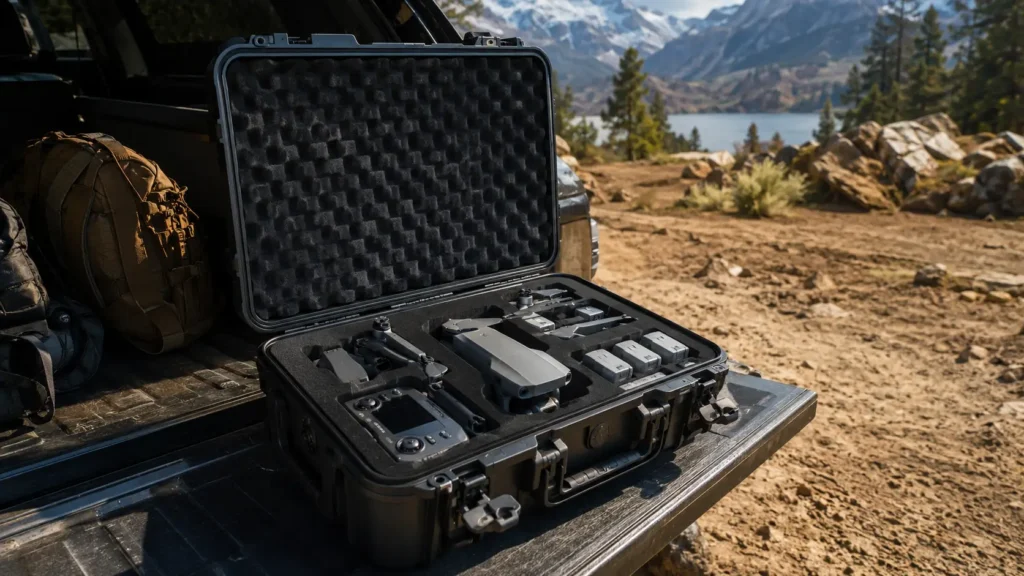
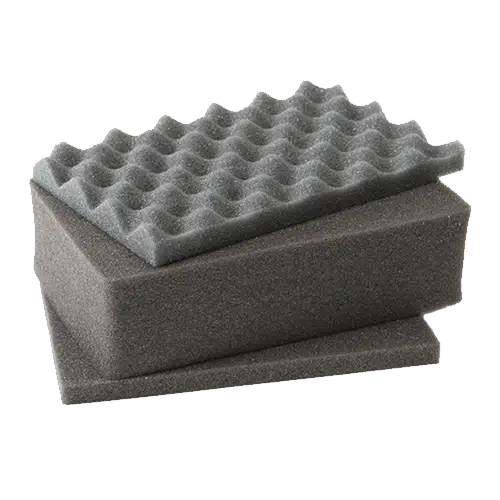
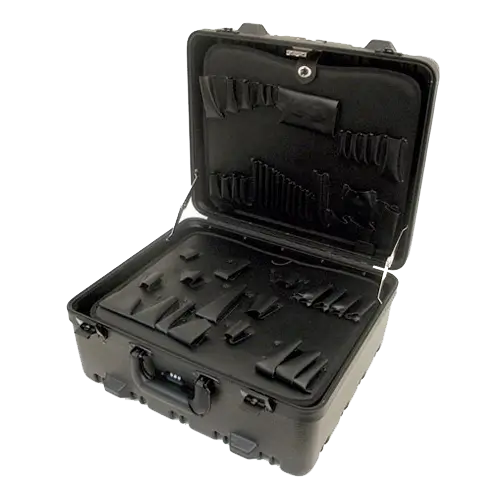
Pick-and-pluck foam (perforated cubes you pull out by hand) is fast and cheap but imprecise. CNC-cut custom foam costs more but holds the firearm, optics, and magazines in an exact, non-shifting cavity, the difference matters most for optics and suppressors.
Latches and lock points
TSA requires the case to accept a lock, so confirm it has at least one lockable latch (padlock or built-in combination lock) rather than simple snap clips.
Pressure/purge valve
A one-way valve equalizes pressure in cargo holds so the case doesn’t pop open or become hard to unlatch after a flight.
Size for what you actually own
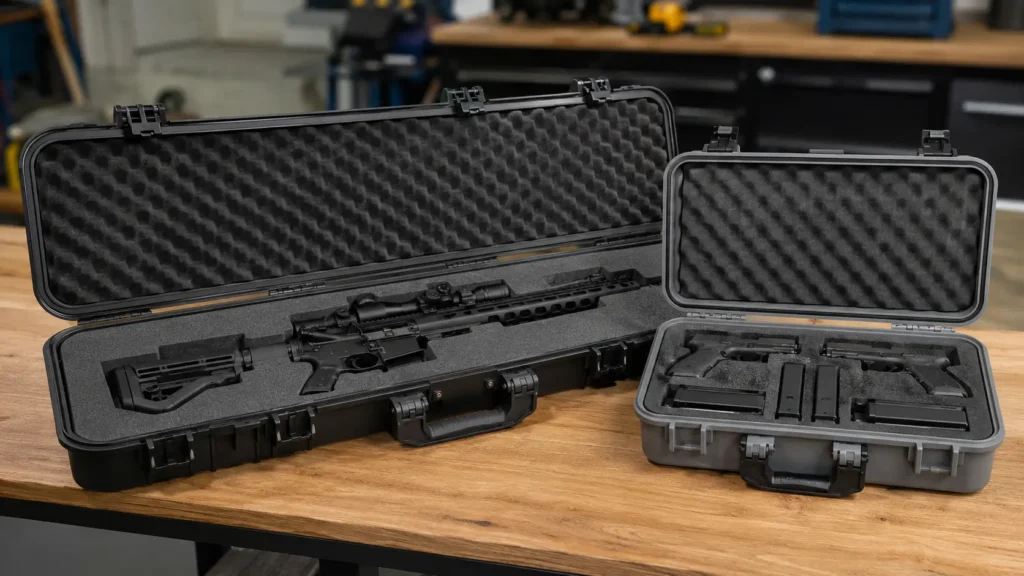
Rifle cases run roughly 42″–52″ for standard configurations and longer for cases with a suppressor or optic mounted. Pistol cases are typically 12″–17″. Buying one size too small is the most common and most expensive mistake.
Custom foam vs. pre-cut foam
Pre-cut foam works for a single, common firearm configuration. If you’re outfitting a case for a specific rifle build, multiple firearms of different lengths, or gear that has to sit alongside the firearm (mags, cleaning kit, optics), custom CNC-cut foam is worth the upgrade, it’s built from your exact dimensions rather than a generic template, so nothing shifts or rattles in transit.
Checklist before you check it as luggage
Lockable hard case: confirm the case is hard-sided and accepts a lock.
Unloaded firearm: no chambered round, no attached magazine.
Ammunition packed separately: box or case ammunition separately from the firearm inside the same hard case, or in another checked bag (never in carry-on).
Declare it every time: declare the firearm to the airline at check-in.
Keep the key on you: keep the case key or combination on your person, not packed inside checked luggage.
Key Takeaway
See our full TSA Rules for Traveling with Firearms guide before your next flight, the rules around declaring, locking, and packing ammunition are stricter than most travelers expect.
Frequently Asked Questions
Do I need a TSA-approved lock for a gun case?
TSA doesn’t require a specific “TSA-approved” lock brand for firearm cases the way it does for regular luggage, in fact, TSA should not be able to open a declared firearm case without you present. Use a sturdy, non-TSA padlock or the case’s built-in combination lock, and keep the only key or combination with you.
What’s the difference between a rifle case and a pistol case?
It’s primarily length and internal layout: rifle cases are built to fit long guns (and often a scope), while pistol cases are shorter, more compact, and usually sized for one or two handguns plus magazines.
Can I put ammunition in the same case as the firearm?
Yes, ammunition can be packed inside the same hard-sided, locked case as an unloaded firearm as long as it’s securely boxed, or it can go in a separate checked bag. It cannot go in a carry-on.
How much foam customization do I actually need?
If you own one firearm in a common configuration, pre-cut pick-and-pluck foam is usually enough. If you’re carrying multiple firearms, an optic, a suppressor, or want zero movement in transit, custom CNC-cut foam pays for itself in protection and peace of mind.
Your growth is the mission.
AllCases designs, cuts, and installs custom foam inserts and protective cases for defense, government, aerospace, and industrial customers nationwide from our ITAR-compliant, AS9100D and ISO 9001:2015 certified facility in Oldsmar, FL. If you need a hard case with custom-fit foam for a rifle, pistol, or multi-gun setup, visit our homepage or request a quote and an engineer will follow up the same business day.